North Bay Python 2026: The Afterfeels
Last weekend I was at North Bay Python 2026, and it was—as all preceding six times as well—a thoroughly wonderful experience.

I’ve written about NBPy a few times before, and have often struggled to find the words. The event fills my cup and I want to write so many of them, but I usually get swallowed by work and Life™ immediately after and it doesn’t happen. So this time you get what you get, lest you get nothing at all.
Talks
NBPy talks are generally all pretty stellar. The program has held up year after year, and kicks ass. The range of talks is great, the range of speakers is great, it’s just all great. I’ll share my favorites in two “categories” here—ordered chronologically—but you should just watch the whole playlist, which is fully chronological, and thus rewards the viewer with the myriad references throughout the event. My apologies for the extremely terse “summaries”—you really ought to just watch it all for yourself.
Deep
These are the talks that left the strongest impression on me. They’re mostly not exactly lightweight, but are the ones I’ve been thinking about the most since they were presented. They’re impactful and important, and some warrant a rewatch. They’re sometimes also talks that don’t get accepted at other conferences due to fear of controversy or notions of “propriety”. At NBPy they’re at home, and that’s fantastic.
“What is Correct?” and is that even the right question any more? by Christopher Neugebauer brings up some rather salient questions about what the software industry and the developer’s role within it even is as we lean more and more into “AI” writing code.
Crisis (Technical) Communication: Teaching Survival Skills You Didn’t Know You Had by Margaret Fero shows us some very pragmatic ways to help people with technology.
An Economy of Empathy by Mario Munoz talks about the rather nasty side of this most recent obsession with “AI” and AGI, and the costs primarily borne by various underprivileged groups all around the globe. If you watch only one talk from this conference, make it this one.
Bumbling into BeeWare: From typo-fix to core developer by Kattni is a touching story of how she overcame significant trauma on her path to becoming a BeeWare core developer, through an immense amount of personal work and with support of others, which continues onward, and what communities can do to be safe spaces for people to grow.
The Ironies of Automation in the “Age of AI” by amanda casari revisits a 1983 paper with contemporary glasses, and covers some fundamental problems in how “AI” output—particularly in software systems—poses challenges to humans needing to stay in the loop.
Running Resistance Tech on a Shoestring by Philip James offers a lot of exceedingly practical advice for helping local political organizations with your tech skills.
The Python Community Needs More Cats by Deb Nicholson suggests we could look to cats for inspiration on how to manage [gestures broadly].
Fun
These talks are less serious, and instead inspire some laughs. They also deliver worthwhile messages, but on lighter topics.
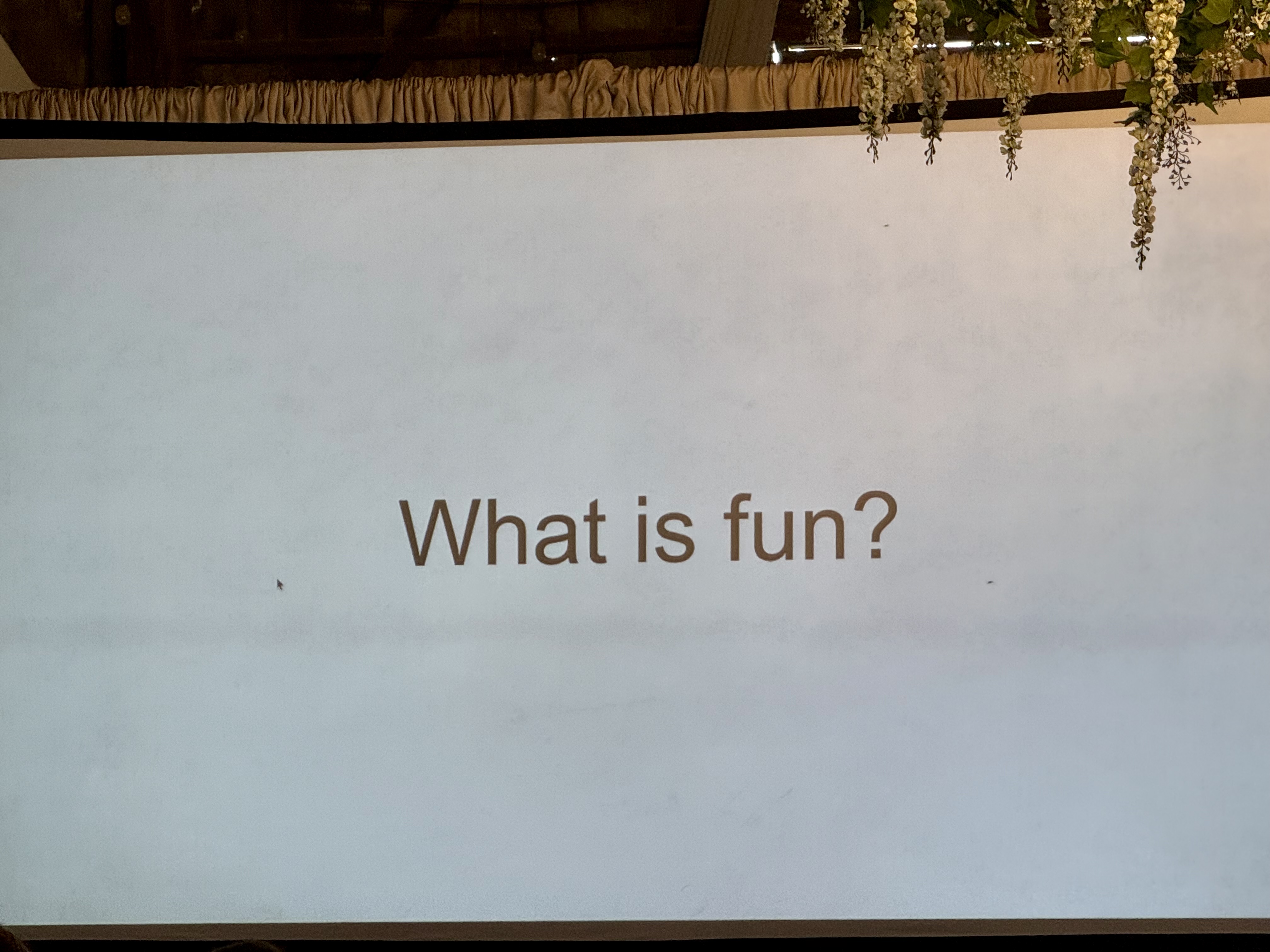
Cursed Comedy by Jamie Bliss and Piper Thunstrom might require a bit of Python nuance, but will make you laugh in return. (“Crimes” is my favorite subgenre of stunt talks…)
Python Playtesting: Crafting the Perfect Board Game by Alla Barbalat adjusts its glasses and weaves spreadsheets and LLMs with board games for maximum nerdery.
Modern Western Square Dancing: dancing for math nerds by Dan Lyke taught me more about square dancing than I ever expected to learn.
What Feminist Theory & Praxis Says About Internet Networking by Joelle Maslak serves some good networking food for thought, with a healty side of feminism.
Anonymous Functions (and Other Ways to Annoy Your Coworkers) by Joe Kaufeld is more crimes, so many crimes.
Remainder
Seriously, the rest of the talks are also great, go watch them. Two were not recorded—I believe by speaker request—so it’s only 16 talks total and thus less than seven hours of your life, and less than five if you speedrun them at 1.5x, which is better than nothing.
Venue
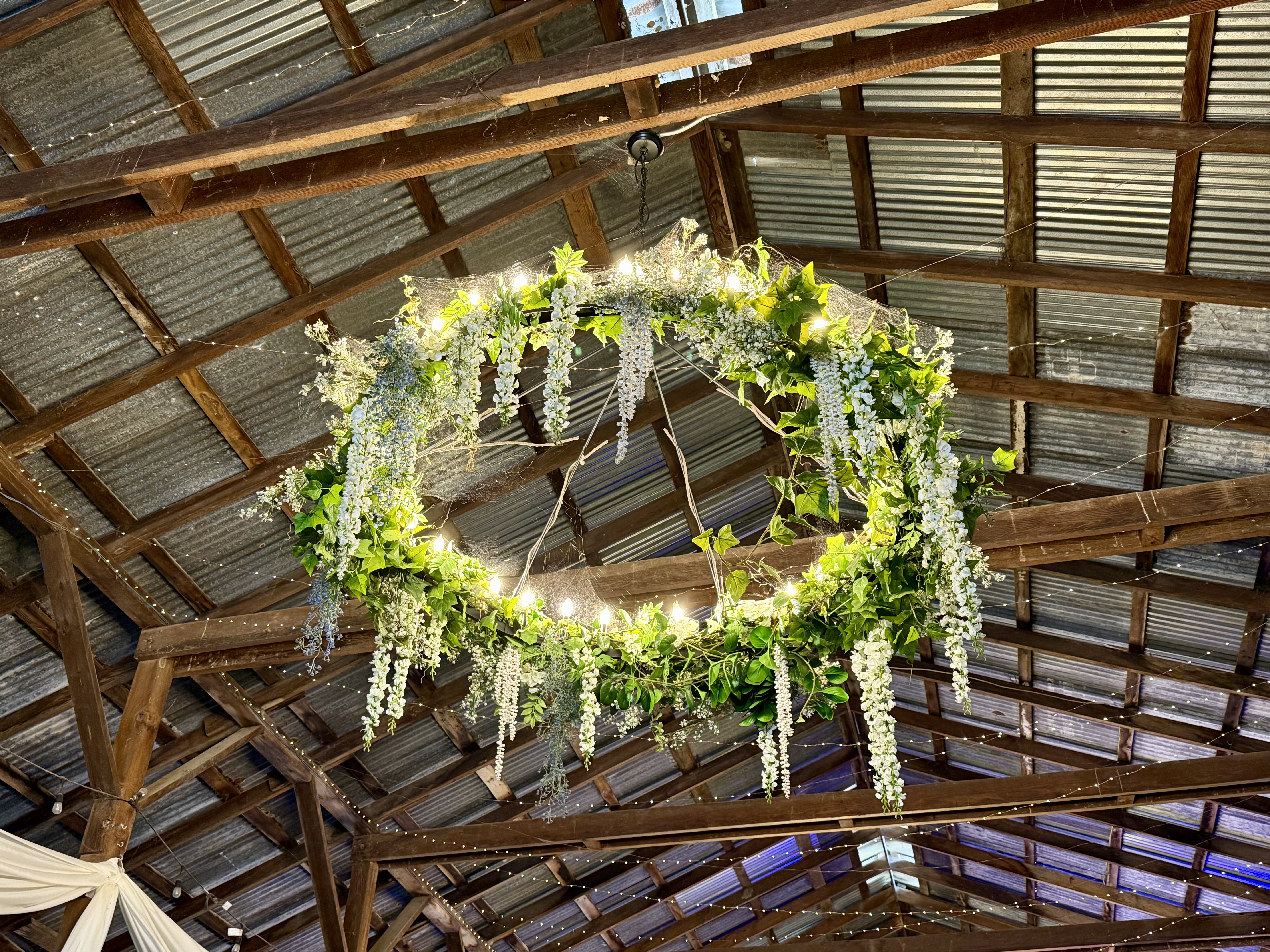
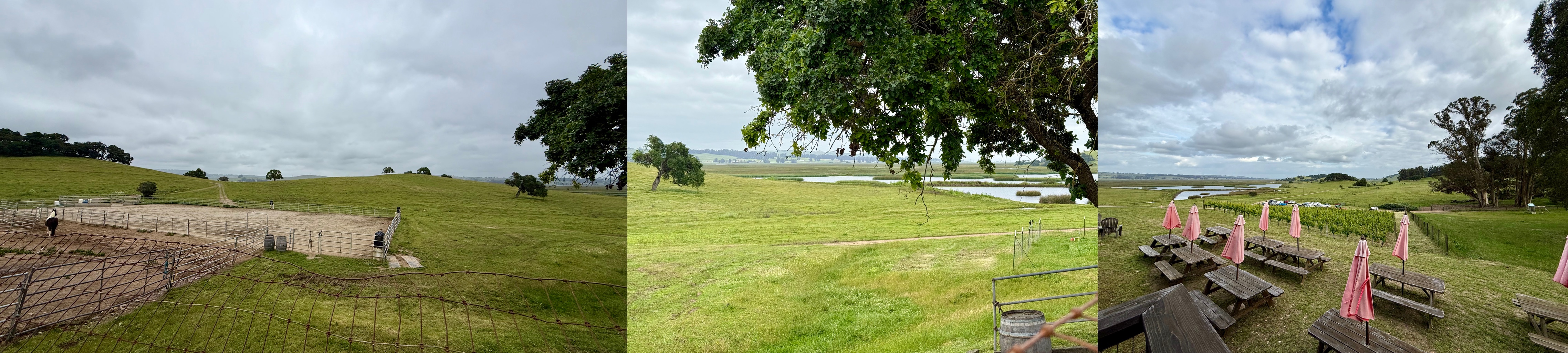
The barn in particular and ranch in general are lovely places to be.
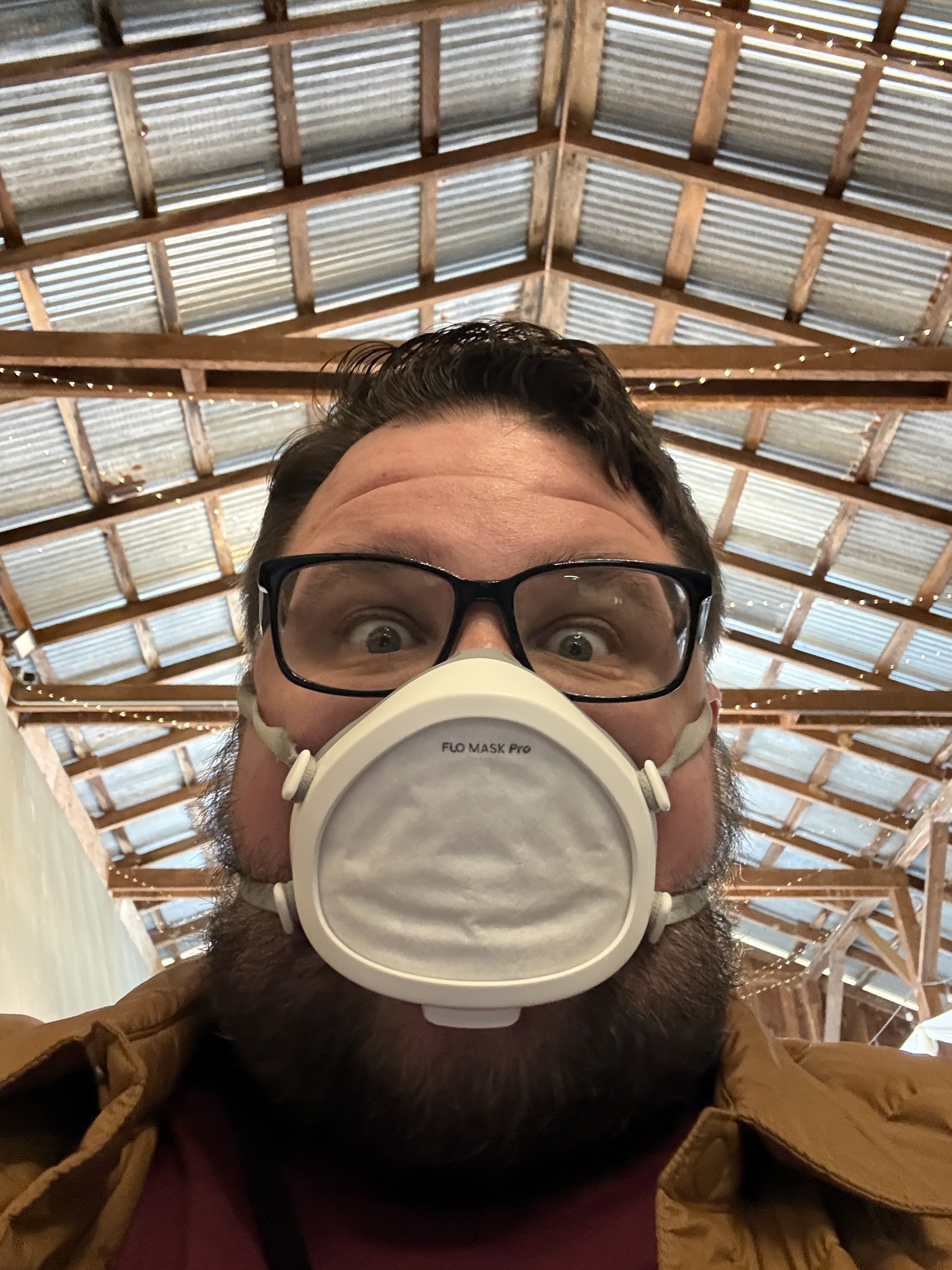
In 2023 the barn provided a great way to ease back into gatherings without fully abandoning COVID-19 precautions, and it’s been a cool part of the atmosphere since.
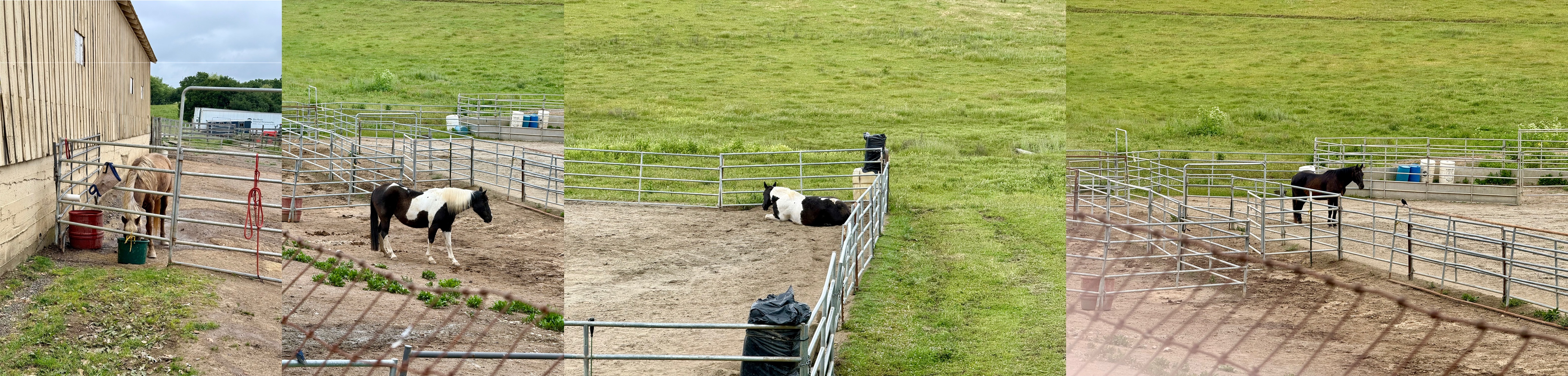
The ranch offers lovely equine company and greenery to rest your eyes.
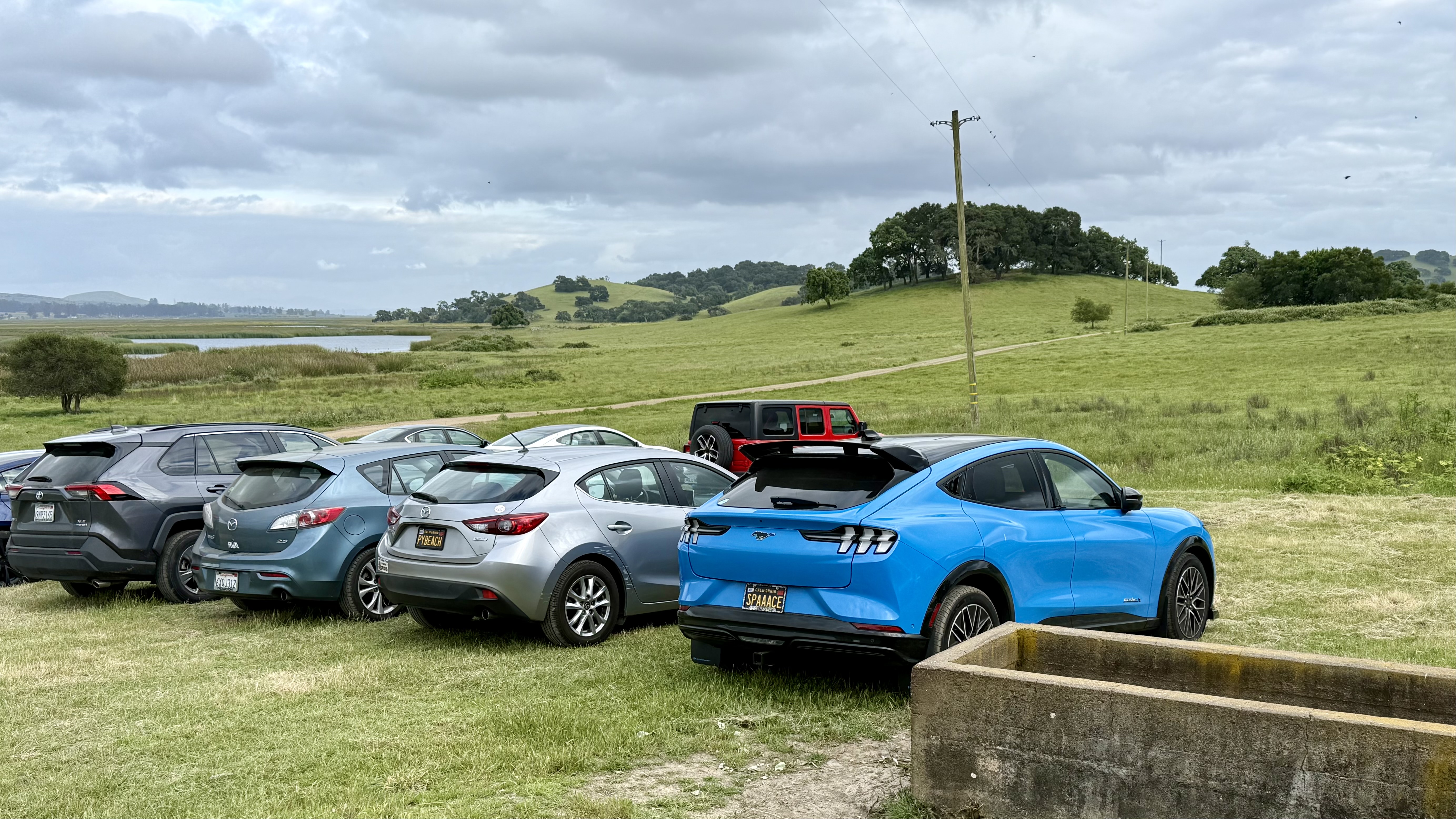
There’s ample parking, too.
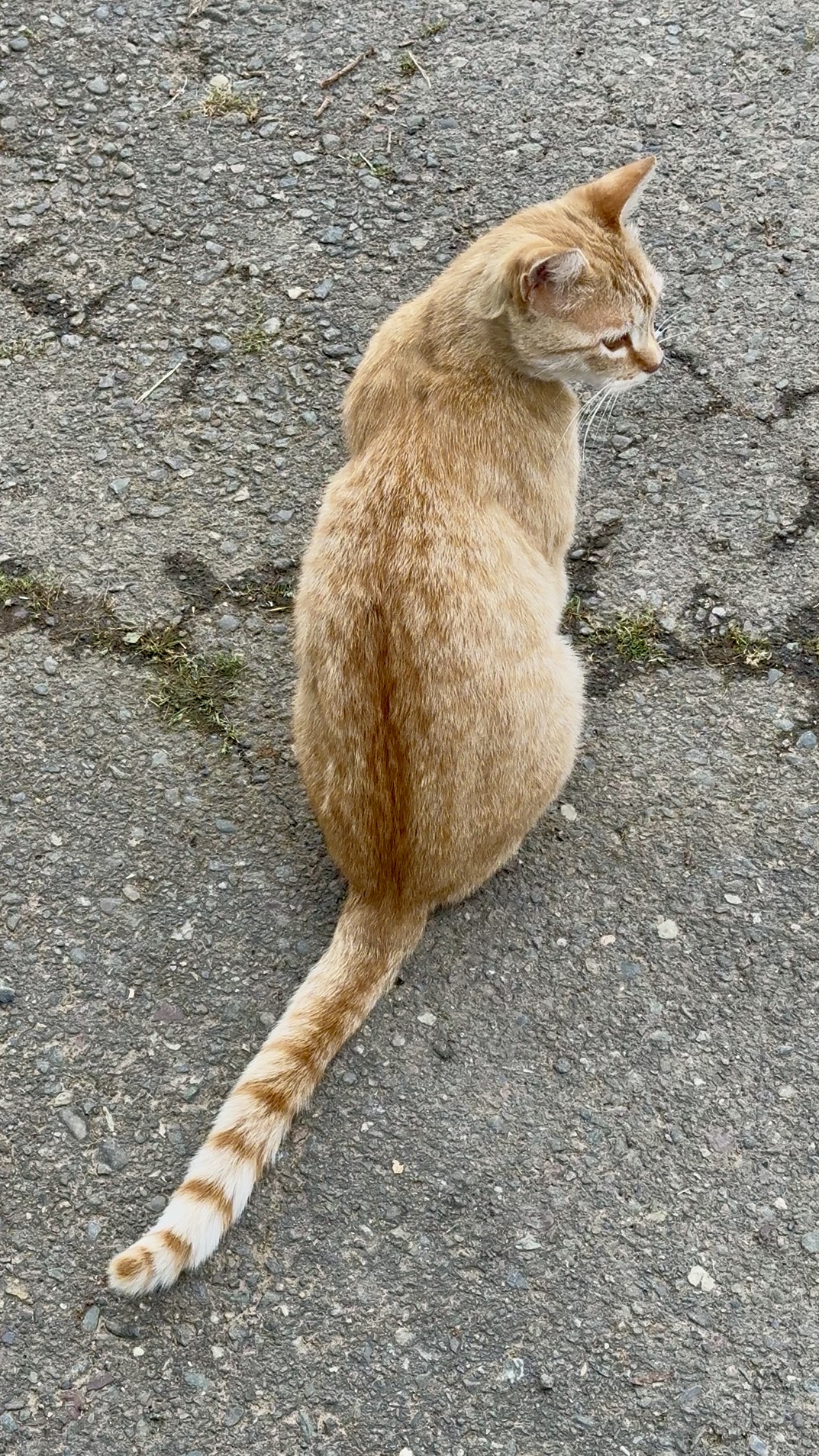
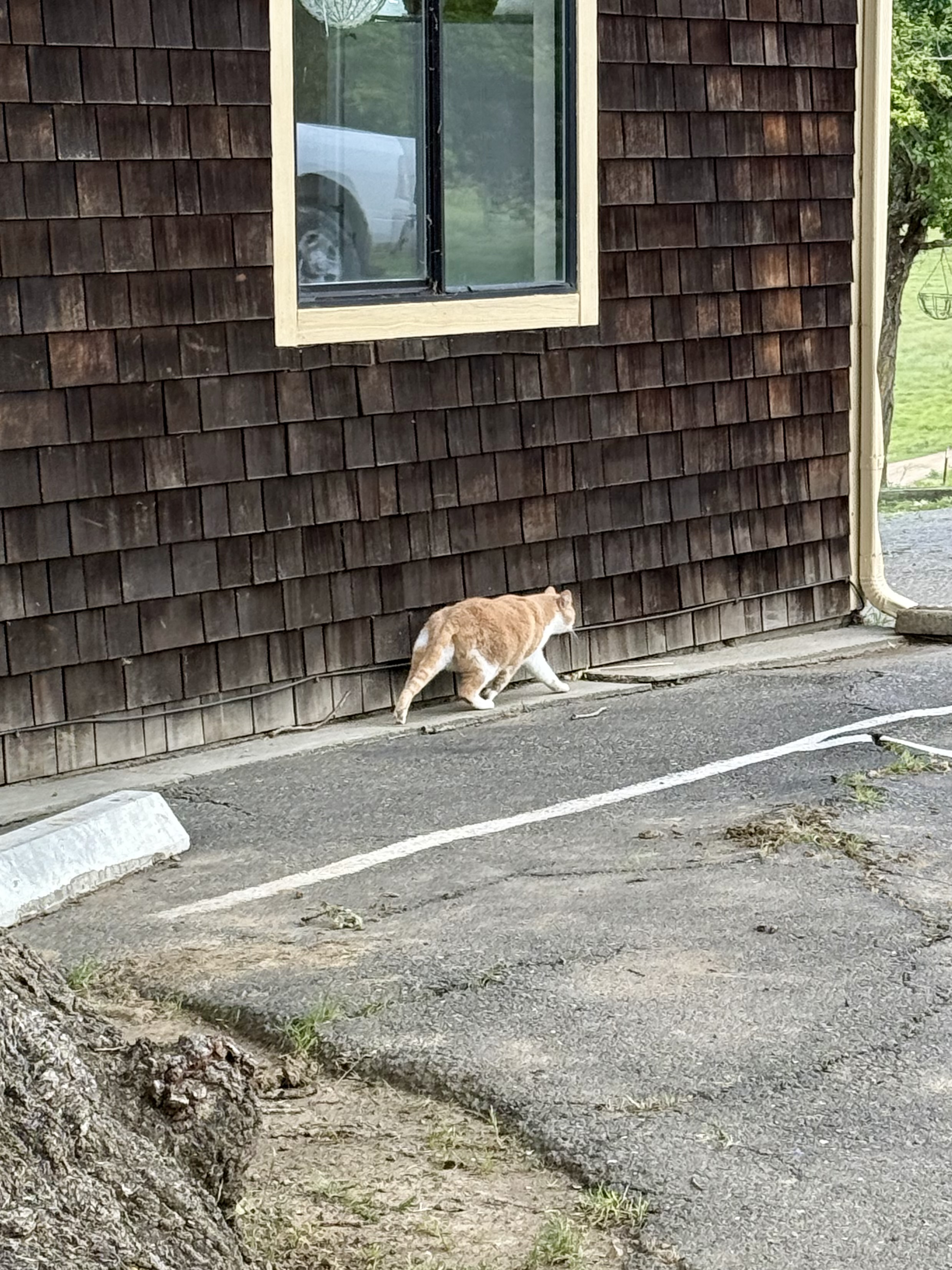
And cats. Oh, the cats.
People
The talks are great and Petaluma is lovely, but one goes to NBPy for the people. It’s a cliché, I know, but it’s true.
NBPy doesn’t necessarily attract a ton of talked-about Python luminaries. Sure, there are always a few folks with impressive name recognition, but they’re just like the rest of us. Whom NBPy consistently does attract are just the best people to hang out with. In the lead-up to the conference my wife at one point said that she was glad I was going to see my friends—that’s how I talk about them.
Ever since the very first NBPy way back in 2017, I’ve held this community in the highest regard, and wanted to associate myself with it. If we are the average of the five people we surround ourselves the most, I’ll gladly take being the average of the NBPy community.
This is one of the few tech spaces where my white ciset he/him self isn’t the vast majority, and that’s rather excellent. I don’t feel out of place here, and I think good, open minded people in general wouldn’t. This is how a truly welcoming environment feels.
Petaluma

Petaluma is lovely. Good food, walkable downtown, plenty of outdoor seating, and good weather to accompany it all. Quaint but has everything you need for a few days. It’s a nice change of pace from Los Angeles, and I always enjoy it.
Since I’ve only ever been in town for the conference, I haven’t experienced much beyond some of its eateries and watering holes. Some of the spots I keep coming back to are Brewsters, Angela’s Organic Ice Cream, Costeaux, The Block, and Taps.
Conclusion
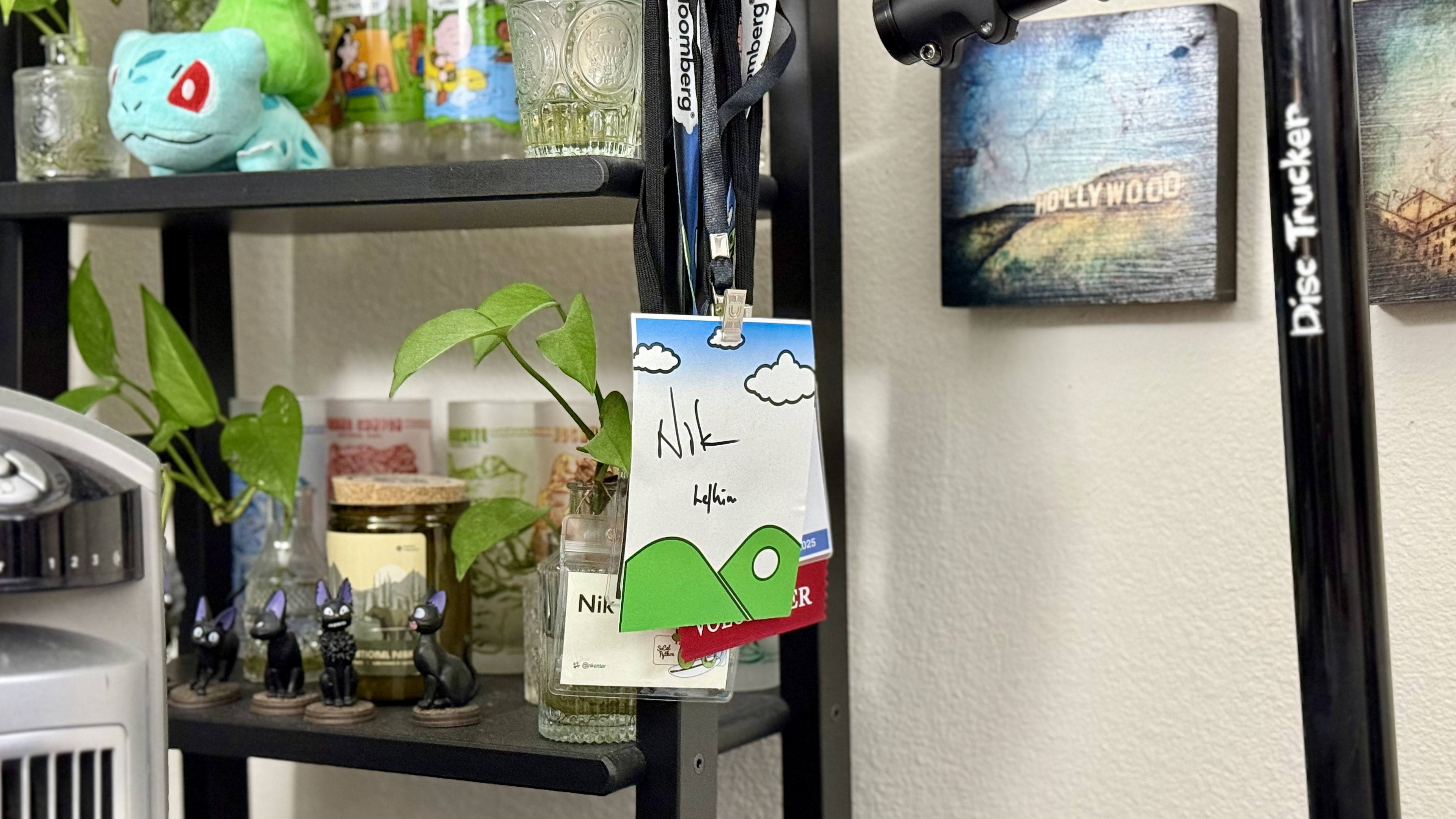
You should come next year. And every year after that. And you should submit some talk proposals. And donate. And get your employer to donate.
Someone said NBPy is like a hallway track in conference form, and they weren’t wrong.
Others
So it turns out I’m not the only one with a blog—who knew?! Here are others’ posts I’ve spotted so far, in no particular order:
- Why You Should Go To North Bay Python Next Year by Barbara Shaurette
- North Bay Python 2026 - Recap by Mario Munoz
- Sponsoring North Bay Python 2026 by David Lord
- North Bay Python 2026 - Afterthoughts by Bob Monsour
If you know of more, please email me.
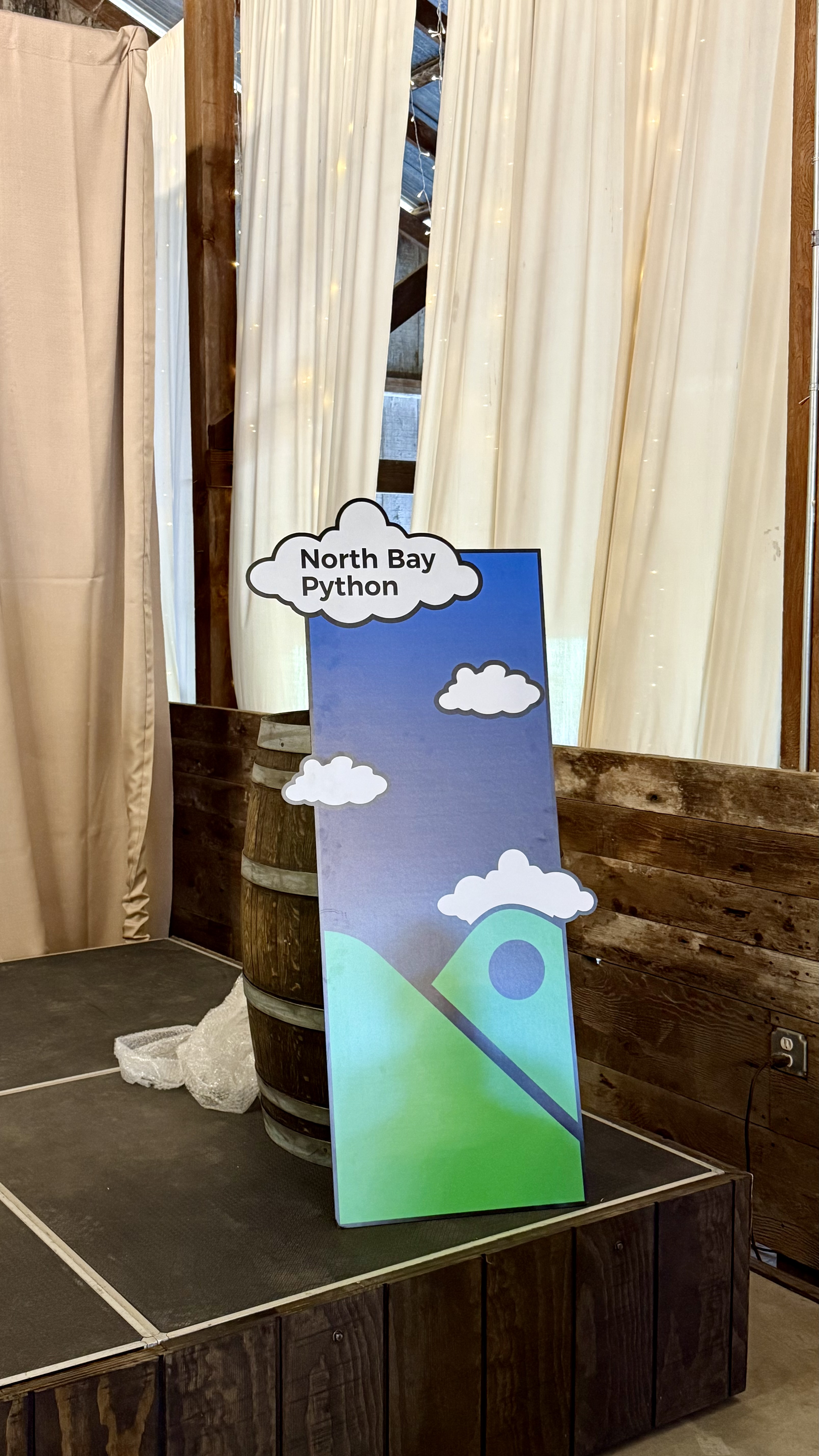
Thanks for reading! You can keep up with my writing via the feed or newsletter, or you can get in touch via email or Mastodon.
2026: Just Better